Grief & Bereavement Therapy in Farmington Hills, MI
When Loss Doesn't Follow the Rules: Grief Therapy and Bereavement Support in Michigan
I offer an individualized approach to grief. I know there is no timeline in grief, and I know there is not a cure. But I also realize that as a grief educator, I can reflect and guide people towards creating a life that honors their loved ones.
The foundation of serving comes from a place of connection. Empathy, genuineness, honesty, and respect are essential elements of being a grief educator.
True expertise in grief lies with the griever. It is my role as an educator to understand the whole individual and their strengths and individual levels of wellness. Connection is important to our well-being. I use a mind/body/spirit approach to grief and remind people of the importance of connection to themselves, their friends, family, and community as well as cultivate an ongoing relationship with their loved one who had died. I am committed to providing a safe space for those in grief.
As a grief educator, I offer a holistic approach to grieving. I focus on the past, present, and future and understand that in addition to the loss, culture, community, spirituality, and beliefs play a role in the individual’s grief. I understand that the responsibility for change lies with the griever. I can inform, reflect, and support others. But their journey is ultimately theirown.
Understanding Grief: Why It Takes the Shape It Does, and Why Support Matters
Grief is not a problem to be solved. It is a natural response to anything that mattered. Ending. But natural doesn't mean easy, and it doesn't mean it resolves on a schedule.
What most people aren't told is that grief is as unique as the loss it comes from. There is no correct way to grieve, no correct timeline, no finish line where you're supposed to be over it.
What grief therapy offers is not a shortcut through grief. It's a place to actually have it, with enough room, enough permission, and enough support that the loss can eventually be carried rather than constantly fought.
People come to grief therapy for many reasons: the death of someone significant, the end of a relationship or marriage, a change in health or identity, or grief for something that was never fully there. Whatever shape your loss takes, it deserves a place to land..
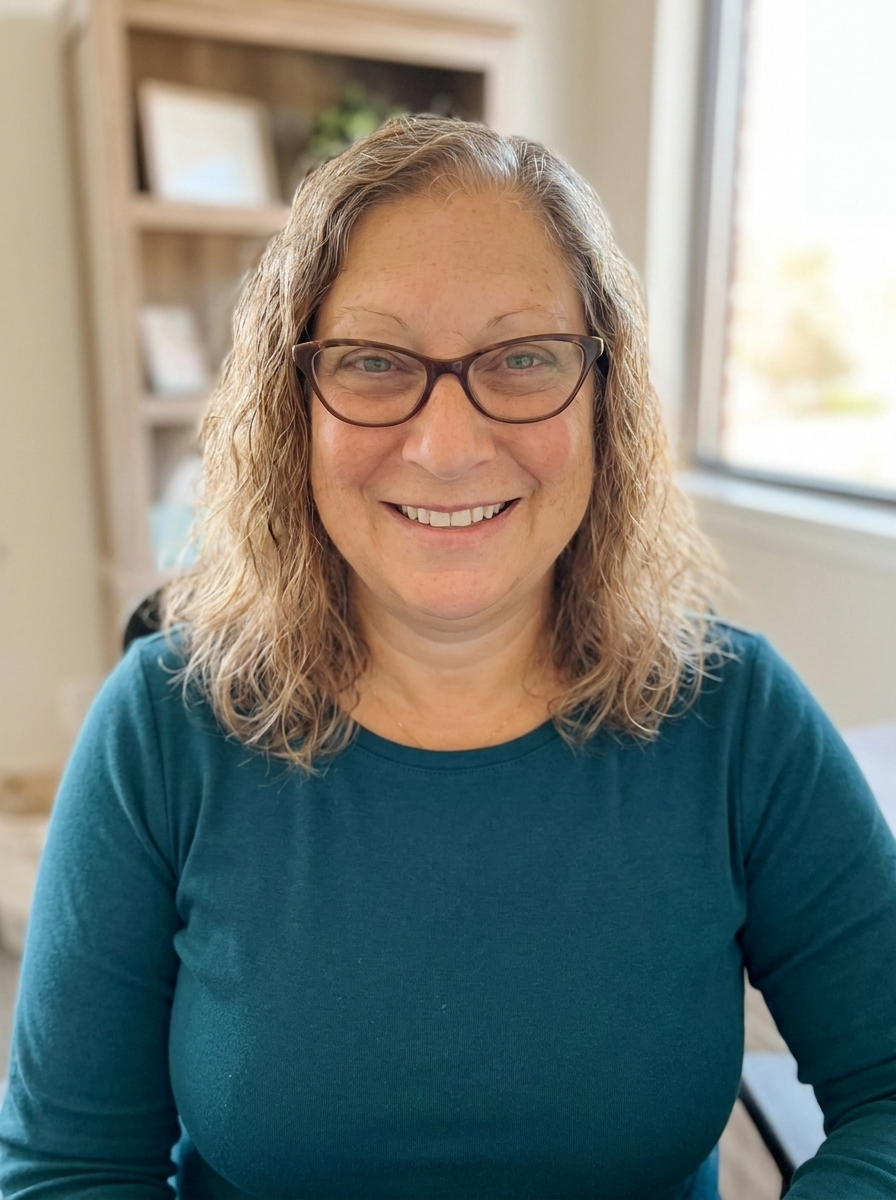
Meet Tori Noe
Licensed Master Social Worker #6801079870
I'm Tori Noe, and I understand how grief can affect people in ways that may not be named yet, including the particular exhaustion of carrying loss while the world around you has quietly moved on and expects you to as well.
I hold a Certified Grief Educator credential, a specific earned designation that goes beyond general therapeutic training. It shapes how I approach this work: with knowledge of how loss actually functions, what complicated grief looks like, and what creates conditions for genuine integration rather than just time passing.
I've worked with clients grieving deaths, divorces, injuries, pet losses, infertility, estrangement, and the accumulated losses of decades of difficult living. I won't require your grief to look a particular way. I won't rush you toward acceptance or tell you what stage you should be in.
What I bring is steady, direct presence. The willingness to sit with what's hard without pulling you away before you're ready, and the clinical experience to know when to gently move things forward.
What Clients Often Notice Through Grief Therapy and Bereavement Support
Old wounds tend to come back up when we’re in grief. We are looking back at old wounds not to re-open them but to heal them. It’s important to question whether someone is bringing wounds from the past, thus creating additional pain in the present.
We are all on our own healing journey from our childhood trauma and old (primal) wounds. This is our work. Grief emphasizes where the work needs to be done. Our wounds are more likely to come up in challenging situations, and grief is certainly challenging.
We project our old wounds onto the screen of the present. These wounds become a story in our life that we project in our grief. Many times people become stuck because they try to deal with the grief as if it’s only grief from their recent loss. We often discover the presence of an old wound in addition to the new grief.
Permission to Grieve
Grief That Moves
Finding Solid Ground
Rediscover Yourself Today
Change can feel uncertain, but it can also be meaningful. Let’s work together to navigate this next chapter with clarity and compassion.
The Grief Therapy Process: What Sessions Feel Like
Grief is a deeply personal process, and there is no right or wrong way to do it. But with compassionate support, it is possible to find your footing again.
Your Pace, Your Process
Grief work moves at the speed that feels right for you, whether that means deeply engaging with the loss or sitting in quieter reflection about its impact.
Gentle Honesty to Unblock Grief
I follow your lead, while also naming avoidance or underlying emotions when they arise, helping prevent grief from becoming stuck.
Support Beyond Sessions in a Safe Space
You’ll have tools and reflections to navigate grief as it shows up between sessions, with virtual sessions offering the comfort and privacy of your own environment.
Carrying the Loss Without Being Stopped by It and What Becomes Possible
Grief doesn't end. But the relationship with it can change in ways that make living alongside it genuinely possible.
Clients who do this work often describe a shift where the loss is still present but no longer the only thing present. Where they can think about the person, or the relationship, or the version of their life that ended, and feel the weight of it without being leveled by it.
Sleep may settle. The ability to be present with people they love may return. Plans that grief had put on hold may start to feel possible again.
Some find meaning alongside the loss, not because of it. A clarity about what matters, a deepened capacity for connection. This doesn't happen for everyone and can't be forced. But it is something many people find when grief is given enough room.
Beginning Grief Therapy in Michigan: Your First Step
You have been through enough. Reaching out for support for your grief should be as simple and straightforward as possible. Here are the steps we’ll take together.
1.
Reach Out
Fill out the contact form with a few words about where you are. You don't need to explain the full shape of your loss before we've spoken. You'll hear back within one business day.
2.
Free Consultation Call
We spend 15 to 20 minutes talking no pressure, no commitment. You can ask whatever you need to ask. I'll get a sense of what you're carrying and whether this feels like the right fit.
3.
Begin, in Your Own Time
If we move forward, we start where you are. There's no script for grief work, and there's no rush.

What People Come to Understand Through Grief Work
Grief has a way of teaching things about what mattered, about what was never fully mourned, and about the kind of person someone wants to be going forward. Here's what clients often share:
- Many clients realize their grief was bigger and older than the loss they came in to process. A new loss had opened up grief from much earlier that never had a place to land.
- Clients often tell me that being given explicit permission to grieve without being told they should be further along was itself significant relief
- People sometimes find that the complicated feelings layered into their grief the anger, the relief, the guilt were more normal than they had dared to believe
- Many notice that grief they had been suppressing was showing up sideways in their lives, in their relationships, their sleep, their capacity to be present and that naming it directly reduced that pressure
- Clients often say, at some point in the work, that they feel like they can finally carry the loss instead of just being carried by it
Frequently Asked Questions About Grief & Bereavement Therapy
It's natural to have questions about this kind of support. Here are my honest answers to some of the questions I am asked most often.
Does my loss have to be a death to qualify for grief therapy?
Absolutely not. Grief is the response to any significant loss — the end of a relationship, a divorce, a career, a health diagnosis, an identity, a version of the future you'd planned. All of these are real losses that deserve real support. You don't need a death certificate to grieve.
What's the difference between a certified grief educator and a therapist who does grief work?
Many therapists work with grief as part of general practice. A Certified Grief Educator has completed specific, dedicated training in how grief functions, what complicated grief looks like, and evidence-informed approaches to grief support. It's the difference between competent general care and specialized knowledge. I hold this certification because grief is a distinct area, not a subset of general emotional difficulty.
What if my grief feels complicated — layered with anger, relief, or ambivalence?
This is more common than people realize, and it doesn't make your grief less legitimate or less deserving of support. Complicated grief — especially after the loss of a painful relationship, or an ambivalent one — can actually be harder to process than straightforward loss, because there's no clean space to mourn. This is exactly the kind of grief I work with.
How long does grief therapy take?
There's no standard timeline. Some people come for a focused period around a specific loss. Others engage in longer-term work that addresses accumulated grief across a lifetime. I won't put a number on it upfront — I'll be honest with you about where we are and what I'm noticing as we go.
Is virtual grief therapy effective?
Yes — and many clients find it particularly suited to grief work. Being in your own space, with access to comfort and privacy, can make it easier to go to the harder places. All sessions are conducted through a HIPAA-compliant platform.
Your Grief Deserves More Than Time Start With a Conversation
If you've been carrying a loss that hasn't had enough room, one that others have moved past, or that doesn't fit a neat category, or that keeps surfacing in ways you can't quite manage alone, this work is worth a conversation.
The free consultation is 15 to 20 minutes. No paperwork before we speak, no commitment, no pressure to have the right words ready. Just a chance to talk and see whether this feels like a good fit.
When you're ready, I'm here.